

Last Updated on March 21, 2019 by Paula
How did I become a proofreader?
I had done some proofreading as part of my former day job in a bank. When my boss first asked me to proofread a document, I thought I would be terrible at it! I’ve always been good at grammar and spelling, but I didn’t have any confidence in myself. Luckily, it turned out to be a perfect fit! To me, there’s nothing more satisfying than being able to find and fix errors and make an author’s work shine.
However, after eight years in the financial sector, I was ready for a change. I was sick of office work and wanted to work from home. But I wasn’t ready to give up proofreading yet, so when I realized I could do it from the comfort of my own home, I jumped at the chance.
Proofreading financial documents was enjoyable (honestly!), but my real passion is proofreading nonfiction self-help/business books. Working on a topic that interests you makes time fly by!
What do proofreaders actually do?
Basically, a proofreader saves a writer from making embarrassing typos.
They check written content for spelling, grammar, punctuation, and capitalization errors. They also check for consistency of style and formatting throughout the document.
A proofreader should be the final pair of eyes reviewing a piece of content before it gets published. The content should have gone through one or more rounds of editing first before it gets to the proofreading stage.
There are tons of different industries that need proofreaders such as traditional and self-publishing authors, bloggers, course creators, businesses, government organizations, academics, etc.
If you’re not sure if proofreading is for you, I recommend that you take some online grammar quizzes to see what your skill level is. You could also select some random blog posts on the internet and proofread them to see if you enjoy the work.
Without further ado, here are my three top tips for creating a proofreading business. These are the three most important steps you need to take to start your business off right.
[socialpug_tweet tweet=”Working on a topic that interests you makes time fly by!’ says @turnerproofread about her work at home proofreading business. Learn more in this post” display_tweet=”Working on a topic that interests you makes time fly by! says @turnerproofread about her work at home proofreading business. Learn more in this post”]
3 tips for creating a successful proofreading business
1. Get some training
Getting training is my absolute number one tip if you want to be a professional proofreader. There’s more to proofreading than finding typos, so knowing what you’re doing will give you a big advantage. Proper training has these three important benefits:
- You’ll get rid of any bad grammar you’ve picked up over the years.
- Clients will feel more confident leaving their content in the hands of a trained professional.
- Your confidence in your skills will grow.
I’ve taken several proofreading courses, but the one I recommend for beginners is Proofread Anywhere’s General Proofreading course. This is an online, self-paced course that you can easily fit in around your other commitments. The course is very hands-on, so you get plenty of practice implementing what you learned. It also includes a module on marketing and setting up a website so that you can start your business with a bang.
2. Choose a niche
Not many of us like to put ourselves out there, so the less we have to do it, the better. Choosing a specific niche will help you market your business more effectively. You can include targeted keywords in your website and social media copy that will make you more likely to appear in search results when your ideal clients are searching for a proofreader for their content.
I started out by advertising on my website that I would proofread anything. This wasn’t very effective as I was trying to appeal to too many people. Over time, I’ve narrowed down my target market to nonfiction self-publishing authors. I do mention other niches on my website, but I focus on nonfiction writers. So now I mostly get inquiries from my ideal clients rather than clients whose work I don’t have the right skills for or I’m not interested in working on.
3. Network with other proofreaders
Starting an at-home business can be lonely and isolating. Connecting with other people in your industry will not only help you feel less lonely, but it’ll also create colleagues that you can bounce marketing ideas off or ask for help when you’re stuck with a difficult punctuation question. Here are a couple of ways you can network with other proofreaders:
- Join an editing society. Try to find a local editing society and attend their meetings and conferences. Depending on where you live, you could join the Editorial Freelancers Association (EFA) in the US, Editors Canada, or the Society for Editors and Proofreaders (SfEP) in the UK.
- Join Facebook groups for editors and proofreaders. Facebook groups are a great place to ask questions when you can’t figure out if something should be capitalized or if there are misplaced commas in a sentence. You can learn so much just from reading other people’s questions. And you make contacts who may pass on work to you if they’re too busy. One group I highly recommend joining is EAE Backroom.
Proofreading is a really flexible way to earn money from home (or anywhere you choose). You get to be your own boss and read all day. Is it just me or doesn’t that sound like a dream? I hope this blog post has given you a better idea of what a proofreader does and how you can get started!
[divider]
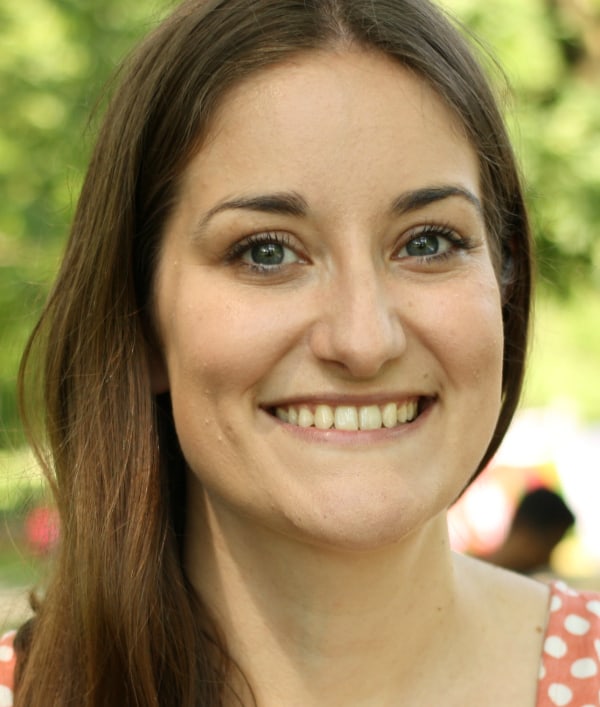
Catherine is a nonfiction proofreader and copy editor. She also blogs about freelancing, working from home, and productivity tips. Check out her Ultimate Guide to Setting Up a Freelance Proofreading Business.
Connect with Catherine: Blog | Twitter | Pinterest | LinkedIn



One Response
Thanks so much for allowing me to share my tips on your blog, Paula!